 Skip to content


Complete Guide to Rabbit Island (Palm Islands Nature Reserve), Lebanon – First-Time Visitor Handbook
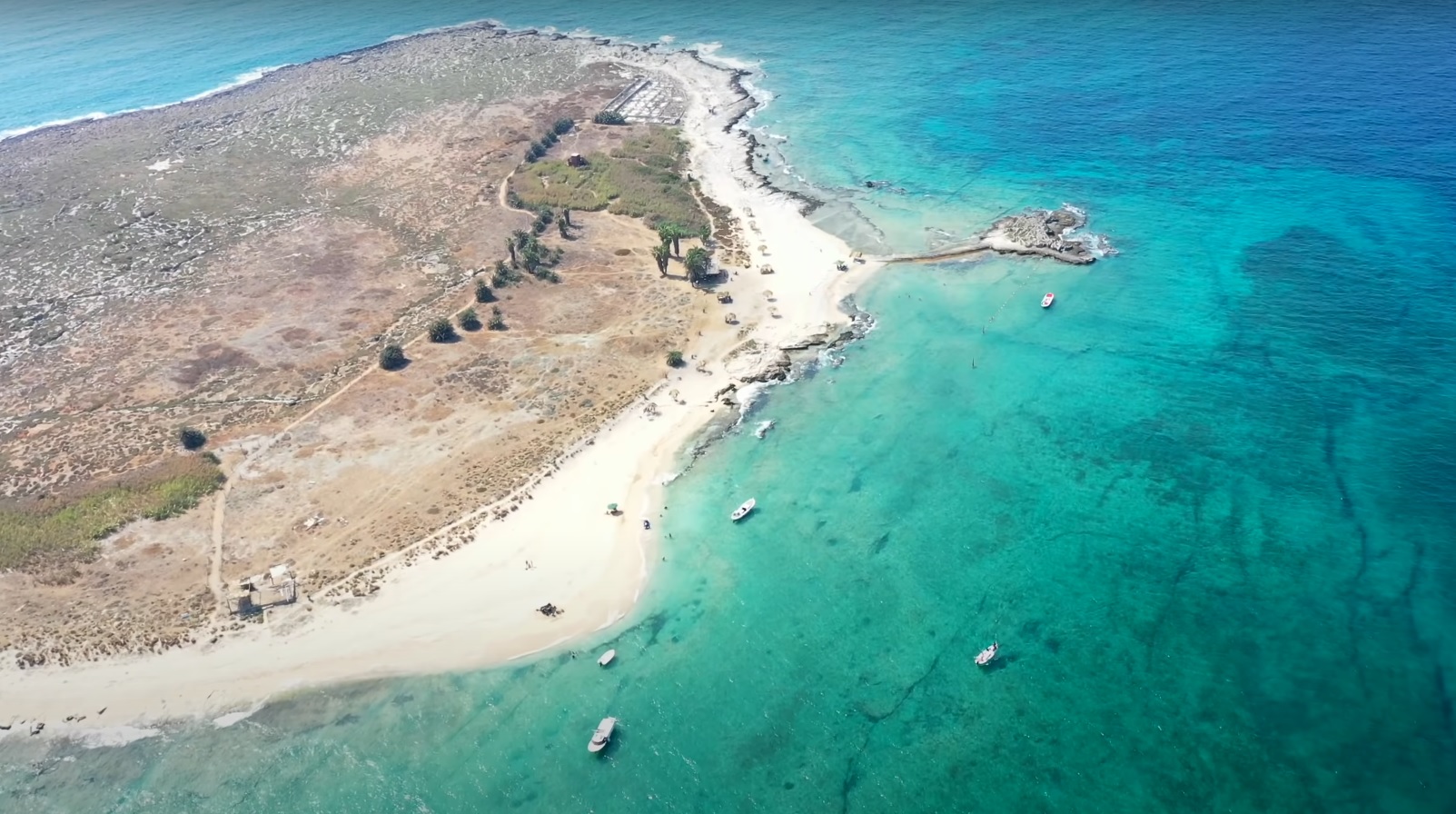
Rabbit Island, officially part of the Palm Islands Nature Reserve (also known as Jaziret el-Araneb or Nakhl Island), is a protected Mediterranean paradise just 5.5 km northwest of Tripoli’s El Mina port in northern Lebanon. This uninhabited nature reserve consists of three flat rocky islands — Palm (the largest and main visitor island), Sanani, and Ramkine — plus surrounding waters covering about 418 hectares.
Declared a nature reserve in 1992, it is a Ramsar wetland of international importance, a Specially Protected Area of Mediterranean Importance (SPAMI), and an Important Bird Area. First-time visitors come for clear turquoise waters, sandy beaches, swimming, light hiking, birdwatching, and the chance to spot sea turtles in a peaceful, car-free setting. The name “Rabbit Island” comes from rabbits introduced during the French Mandate period (mostly gone today).
How to Get to Rabbit Island
- Reach El Mina (Tripoli’s port district), about 80–90 km north of Beirut (1.5–2.5 hours by car or shared van/minibus, ~$3–15 depending on transport).
- Go to the fishing/harbor area in El Mina. Multiple local boats and small ferries operate, especially in summer.
- Boat ride: 20–30 minutes each way. Round-trip costs are typically low and negotiable (historically equivalent to a few USD; confirm current rates on-site or via operators like Nour Ferry). Boats run frequently during the open season.
Arrange the return trip in advance so you are not stranded. Private or group charters are available.
Best Time to Visit
- Public access season: Mainly July to September (daylight hours only, sunrise to dusk).
- Outside these months, visits usually require a permit from the Palm Islands Nature Reserve Committee for educational, research, or official purposes.
- Birdwatching peaks: mid-April to mid-May (spring migration) and late September–October (autumn).
- Turtle nesting/hatching: late May onward, with hatchlings mainly in July–August (observe only from a distance and follow rules).
Summer offers swimming and beaches but can be crowded and hot; shoulder periods are quieter for nature lovers.
What to See and Do
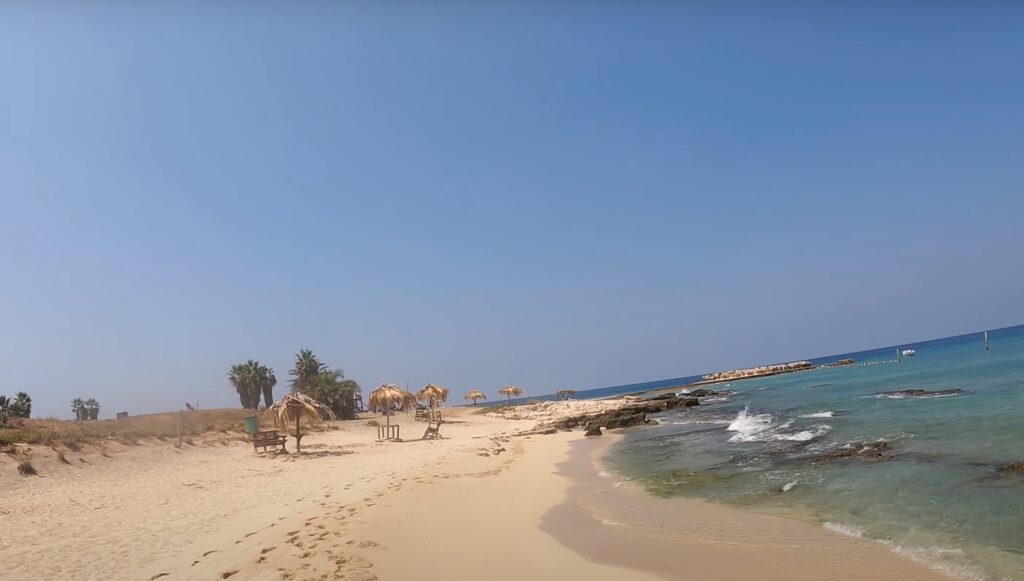
- Swim and snorkel in clear waters (parts of the beaches are designated for recreation).
- Walk the flat, short trails across scrubby terrain, rocky shores, and sandy areas.
- Spot wildlife: migratory and breeding birds, loggerhead and green sea turtles (nesting sites), fish, and occasional other marine life.
- Explore historical remains on Palm Island: ruins of a Crusader-period church (circa 1224), an old freshwater well (restored and used for the palm trees), and former salt pans.
- Photography, picnicking (bring everything), and guided interpretive tours when available.
- Enjoy the contrast of pristine island nature versus the mainland.
No shops, restaurants, or permanent facilities exist — pack everything you need.
Practical Tips for First-Time Visitors
- Bring: Plenty of water, food/snacks, sunscreen, hat, swimsuit, towel, reef-safe sunscreen if snorkeling, trash bags (leave no trace), cash (USD preferred), and sturdy shoes for rocky areas.
- Respect the reserve: Stay on paths, do not disturb wildlife or nests, take all rubbish with you, and follow any ranger instructions. Overcrowding and litter have been issues in peak season.
- No overnight stays or camping. Day visits only.
- Contact the Reserve Committee (+961 6 600673) for permits, current opening status, or guided options.
- Combine with a visit to El Mina or Tripoli’s old souks and citadel for a fuller northern Lebanon day.
- Safety note: Lebanon faces broader security challenges. Check current government travel advisories before any trip, especially regarding northern areas.
Approximate Costs (per person, subject to change)
- Boat round-trip: Low and negotiable (confirm locally; historically very affordable).
- Entrance: Often free or minimal during open season.
- Food/drinks: Bring your own (or buy in El Mina beforehand).
- Optional guided tour or private boat: Higher, depending on group size.
Total for a simple day trip from Tripoli is generally budget-friendly.
Rabbit Island in Brief
Lebanon’s only major island nature reserve near Tripoli. Home to unique coastal ecosystems, historical traces, and important habitats for birds and sea turtles. A rare chance to experience relatively unspoiled Mediterranean island nature just a short boat ride from the mainland.
FAQ – Rabbit Island (Palm Islands Nature Reserve), Lebanon
1. What is Rabbit Island and where is it located?
Rabbit Island is the largest island in the Palm Islands Nature Reserve, about 5.5 km northwest of El Mina (Tripoli) in northern Lebanon. The reserve includes three islands and surrounding waters.
2. How do I get to Rabbit Island from Tripoli or Beirut?
From El Mina port in Tripoli by local boat (20–30 minutes). From Beirut, first travel to Tripoli/El Mina by car, taxi, or shared van (1.5–2.5 hours), then take the boat.
3. When is Rabbit Island open to visitors?
Primarily July to September during daylight hours. Outside this period, a special permit from the Reserve Committee is usually required.
4. Is there an entrance fee?
There is typically no or only a very low entrance fee during the public season. Boat transport is the main cost.
5. What can I do on the island?
Swim, snorkel, walk short trails, birdwatch, photograph nature and historical remains (Crusader church ruins, old well), and observe wildlife responsibly. Picnic with your own supplies.
6. Are there facilities or food available on Rabbit Island?
No. There are no shops, restaurants, toilets, or services. Bring all food, water, and supplies, and take your trash away.
7. Can I see sea turtles or other wildlife?
Yes — the islands are important nesting sites for loggerhead and green sea turtles (especially summer), and they host migratory birds. Observe from a distance and follow rules to protect them. Monk seals are rare occasional visitors.
8. Why is it called Rabbit Island?
Rabbits were introduced in the past (reportedly during the French Mandate era) and once proliferated, giving the island its local name (Jaziret el-Araneb). Few or no rabbits remain today.
9. Is Rabbit Island suitable for families or first-time visitors?
Yes, for a relaxed day trip with swimming and easy walking, provided you prepare well (sun protection, water, boat timing). It is not a developed resort — expect a natural, low-facility environment.
10. What should I know about safety and responsible visiting?
Follow reserve rules strictly to protect the fragile ecosystem. Check current Lebanese travel advisories, as the overall security situation can affect northern Lebanon. Use reputable boat operators, confirm return schedules, and practice Leave No Trace principles. Contact the Reserve Committee for the latest official information.
This guide is designed for searches such as “Rabbit Island Lebanon,” “Palm Islands Nature Reserve Tripoli,” “how to visit Rabbit Island Lebanon,” and “Palm Island day trip.” Always verify opening dates, boat availability, and safety conditions closer to your visit, as they can change. Enjoy this unique natural escape responsibly!

