Skip to content


Akkar el Atiqa (Old Akkar) – Guide to the Historic Village and Fortress in Northern Lebanon
Akkar el Atiqa (also spelled Akkar al-Atika, Aakkar El Aatiqa or عكار العتيقة), meaning “Old Akkar,” is a large historic mountain village and municipality in the Akkar Governorate of northern Lebanon. Located about 135 km north of Beirut, the village spreads across a mountain flank at elevations ranging from roughly 700 to 1,600 meters. It is best known for its medieval fortress, abundant water sources, agricultural landscapes, and layered history.
The village played an important strategic role for centuries thanks to its position overlooking key routes between the coast, the Bekaa Valley, and inland Syria. Today it offers visitors a mix of ruined fortifications, heritage remains, springs, forests, and authentic rural hospitality in one of Akkar’s most substantial highland settlements.
Quick Overview
- Location: Akkar Governorate, northern Lebanon (approximately 135 km from Beirut)
- Elevation: 700–1,600 m (average around 1,250 m)
- Highlights: Medieval fortress (Hosn Akkar / Gibelacar), heritage architecture, water sources, mountain scenery
- Best for: History and culture enthusiasts, short hikes, nature walks, and experiencing traditional Akkar village life
- Character: Historic mountain village with strong agricultural and natural surroundings
What Makes Akkar el Atiqa Special
The centerpiece of the village is the fortress known as Hosn Akkar, Hisn Ibn Akkar, or Gibelacar. Built around the year 1000 by Muhriz ibn Akkar on a rocky spur, it controlled important passages. The site later passed through Fatimid, Seljuk, Crusader, and Mamluk hands (notably captured by Baybars in 1271) and served as a stronghold for the powerful Sayfa clan during the Ottoman period. Today the ruins include sections of walls, a better-preserved northern tower, and distinctive lion carvings associated with the Mamluk era. The climb to the fortress rewards visitors with panoramic views over the surrounding valleys.
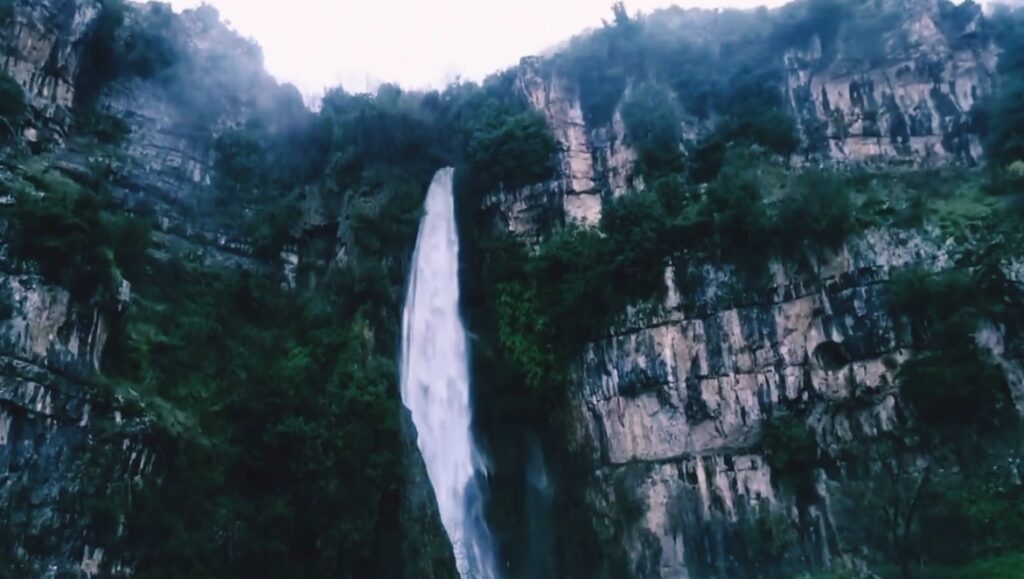
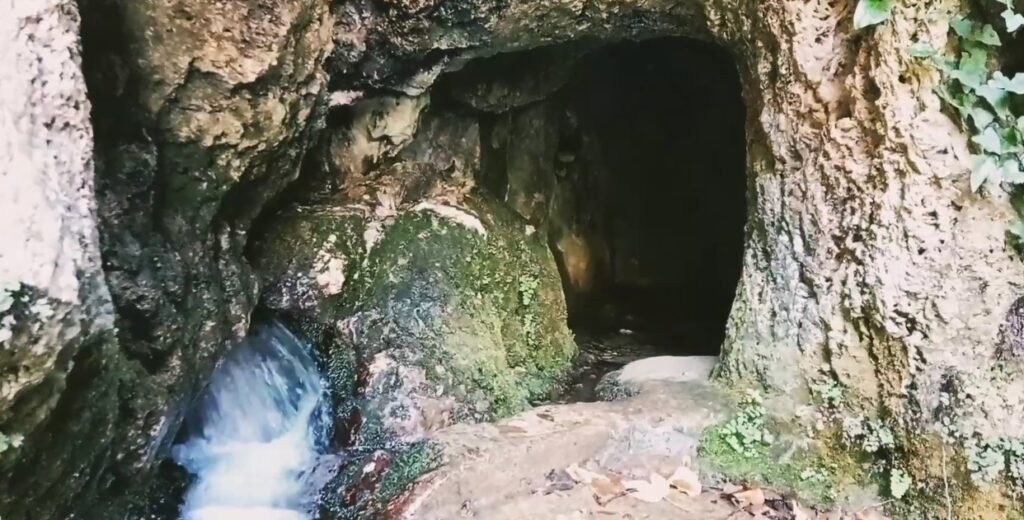
Beyond the castle, Akkar el Atiqa contains other heritage elements such as Mamluk-era architectural remains, a historic mihrab and arcades linked to an older mosque, traditional stone houses, and sites including the Byzantine-era Ghazarta church on the outskirts. The village is exceptionally rich in water, with hundreds of springs that feed the Astouan River and support extensive agriculture, particularly apples along with other fruits, olives, and local products. Forests and green mountain slopes add further natural appeal.
Hiking Possibilities
Hiking around Akkar el Atiqa combines cultural interest with attractive mountain scenery. Routes often begin in the village and lead toward the fortress or into nearby forested and agricultural areas.
Common options include:
- Short but steep climbs and rocky paths up to the fortress ruins, offering strong historical atmosphere and wide views.
- Village walks that pass heritage buildings, springs, old mills, and traditional neighborhoods before connecting to green slopes or viewpoints.
- Longer routes linking toward forested zones such as sections near Ghabet el Chouh (fir forest) or parts of the broader Lebanon Mountain Trail network and neighboring villages such as Qobayat.
Terrain near the fortress can be rocky and uneven, so sturdy footwear and moderate fitness are recommended. Local guides or organized groups can enhance the experience with historical context and safer navigation. Many visits pair a hike with a meal of local homemade food.

Practical Information
The fortress and main village areas are generally free to explore, though some paths involve informal tracks. Facilities outside the village center are limited. Local associations or community spots sometimes offer homemade meals and products, especially for groups.
Allow half a day for the fortress and village core, or a full day if adding longer walks or forest sections. The site remains relatively quiet compared with more famous Lebanese destinations.
Best Time to Visit and Tips
Spring and autumn provide the most pleasant temperatures and green landscapes. Summer is cooler than the coast thanks to the altitude. Winter can bring colder weather and possible snow at higher elevations.
Tips for visitors:
- Wear good walking shoes for the rocky approach to the fortress.
- Allow time to enjoy the views from the ruins.
- Support local producers by trying regional apple products, jams, or other specialties.
- Combine the visit with other Akkar nature or heritage sites when possible.
- Check road conditions, especially in winter or after heavy rain.
- Respect the ruins, private land, and local community.

How to Get There
From Beirut the drive typically takes 2.5–3.5 hours (approximately 135 km). The usual route follows the coastal highway north past Tripoli, then turns inland via Abdeh and Halba before climbing toward Akkar el Atiqa. Alternative approaches exist via other Akkar roads.
Private car is the most practical option. Organized day trips and hiking groups occasionally include the village and provide transport from Beirut or coastal towns. Public transport can reach Halba or nearby points, after which a local taxi is usually required.
Nearby Attractions
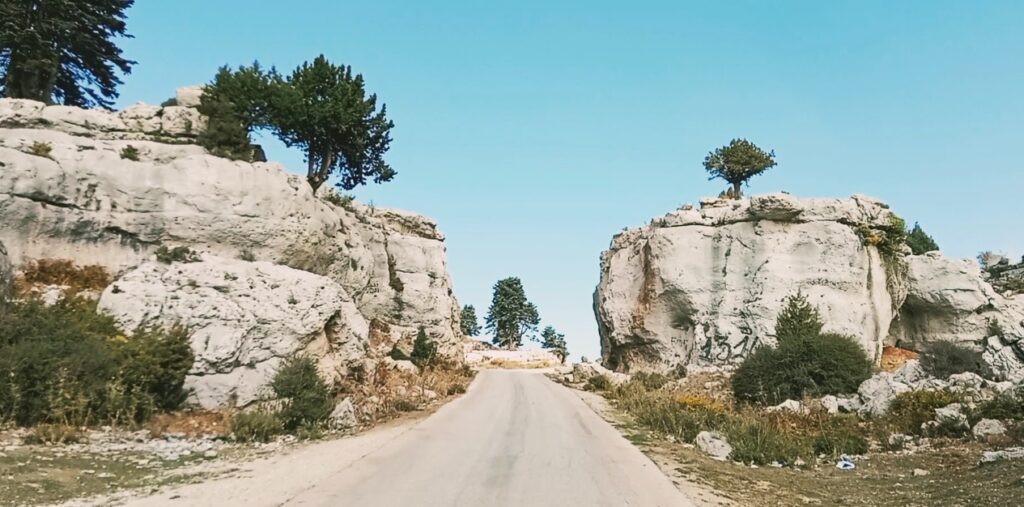
Akkar el Atiqa sits within a region rich in nature and history. Nearby areas include forested highlands, the Qammouaa Plain, the Iron Oak Forest, other villages with springs and traditional architecture, and connections toward Qobayat. The broader Akkar landscape offers additional hiking, agricultural scenery, and quieter rural experiences.

Frequently Asked Questions
Is the fortress easy to reach?
The approach involves a rocky or steep path. It is manageable for most reasonably fit visitors but requires care and proper footwear.
What remains of the castle?
Ruins of walls, a northern tower section, and decorative elements including lion carvings. The setting and panoramic views are major attractions.
Is Akkar el Atiqa suitable for a day trip?
Yes. Many visitors come from Beirut or Tripoli for a day focused on the fortress, village, and a short hike or local meal.
Are there places to eat?
Local options exist in the village. Community-prepared meals are sometimes available for groups.

Plan Your Visit to Akkar el Atiqa
Akkar el Atiqa (Old Akkar) rewards travelers with a genuine blend of medieval history, mountain scenery, and rural Lebanese character. Standing among the fortress ruins, walking village paths, or exploring the surrounding green slopes offers a quieter and more authentic side of northern Lebanon.
Prepare for uneven terrain around the citadel, travel with respect for the local community and heritage, and you will leave with a strong sense of the region’s layered past and natural setting. For current access details or guided options, consult local contacts or Akkar tourism resources before your trip.