 Skip to content


Basbous Museum (MAB – Mohtaraf Anachar Basbous), Rachana – Guide to Lebanon’s Sculpture Heritage
The Basbous Museum, officially known as MAB (Mohtaraf Anachar Basbous), is a striking contemporary sculpture museum and atelier located in the village of Rachana in the hills above Batroun, northern Lebanon. Opened in 2022 by Lebanese sculptor Anachar Basbous, the museum showcases more than 50 of his works spanning his career, while also paying homage to the sculptural legacy of his father, Michel Basbous, and the wider Basbous family.
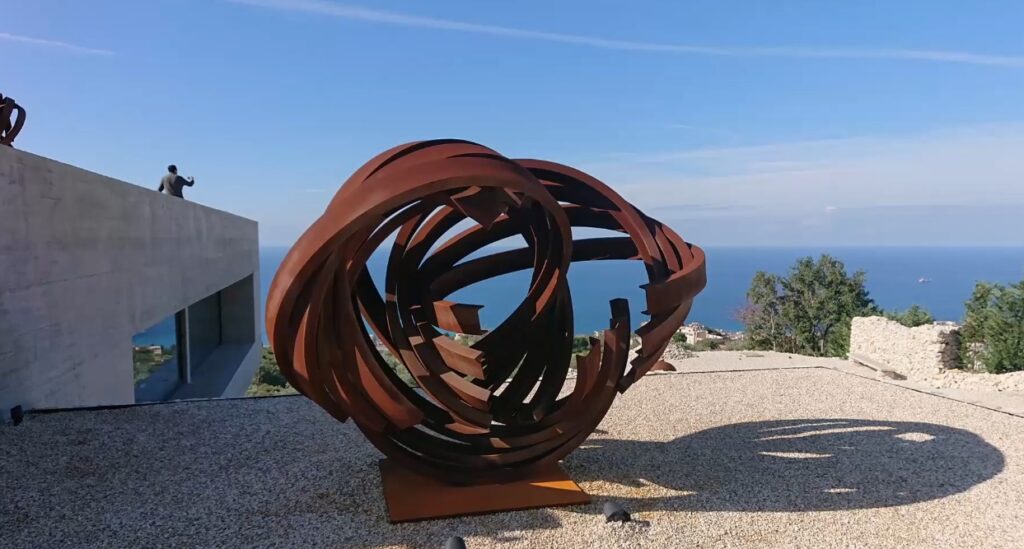
Set in a brutalist concrete building designed by architect Jawdat Arnouk and integrated into the mountainous landscape overlooking olive groves and the distant Mediterranean, MAB forms part of Rachana’s remarkable identity as a living open-air sculpture village. UNESCO recognized Rachana as a Global Village of Outdoor Sculpture in 1997 thanks to the pioneering work of the Basbous brothers.

Quick Overview
- Location: Rachana, Batroun District, North Governorate, Lebanon (in the hills above Batroun)
- Type: Contemporary sculpture museum, atelier, and outdoor exhibition space
- Highlights: Works by Anachar Basbous in metal, stone, wood and concrete; tribute to Michel Basbous; brutalist architecture; panoramic views
- Best for: Art lovers, sculpture enthusiasts, architecture admirers, and cultural travelers
- Character: Modern, contemplative, and deeply connected to the artistic heritage of Rachana

What Makes the Basbous Museum Special
Rachana has been synonymous with sculpture since the mid-20th century, when Michel Basbous (1921–1981) and his brothers Alfred and Youssef began placing their works throughout the village, transforming it into an open-air museum. Anachar Basbous, born in Rachana in 1969, grew up immersed in this environment and has continued the family tradition while developing his own distinctive contemporary style.
MAB houses a carefully curated selection of Anachar’s sculptures created in materials such as corten steel, stainless steel, aluminum, marble, wood, basalt, and concrete. The collection includes early works (among them his first sculpture made at the age of ten) alongside more recent pieces that explore movement, form, geometry, and the relationship between sculpture and landscape. Outdoor works interact with the natural setting, light, and the surrounding olive terraces.
The building itself is conceived as a sculpture: a raw concrete structure partially embedded in the hillside and cantilevered toward the sea. The architecture, the artworks, and the landscape together create a powerful and coherent artistic experience.
Visiting the Museum
Visits to MAB are by appointment only. This intimate arrangement often allows for a more personal experience, and in some cases visitors may meet the artist or receive guided insight into the works. Both indoor galleries and outdoor terraces and platforms form part of the visit, offering changing perspectives on the sculptures and the panoramic views.
The museum is not a large institutional space but a focused, high-quality presentation of one artist’s work within a family and village tradition of exceptional importance to modern Lebanese sculpture.


Practical Information
Access is by prior appointment. Contact the museum in advance to arrange a visit (the number commonly associated with inquiries is +961 3 741 310). There is typically no large public ticket office or fixed daily opening hours. Facilities are those of a private museum and atelier set in a rural hillside location.
Comfortable shoes are recommended for walking between indoor and outdoor areas. The site rewards unhurried viewing.
Best Time to Visit and Tips
The museum can be visited year-round by appointment. Spring and autumn offer the most pleasant temperatures for enjoying the outdoor sculptures and views. Clear days provide the best visibility toward the sea.
Tips for visitors:
- Always book an appointment in advance.
- Allow sufficient time to experience both the indoor works and the outdoor setting.
- Combine the visit with a walk through Rachana village to see additional open-air sculptures by the Basbous family and other artists.
- Pair the museum with a visit to Batroun’s historic center (Phoenician Sea Wall, Old Souk, churches, and harbor) for a full cultural day.
- Photography is generally appreciated, but always follow any guidance given on site.
- Approach the visit with time and openness—the setting and the works benefit from quiet attention.
How to Get There
Rachana lies in the hills above Batroun, roughly 50–60 km north of Beirut. The drive from Beirut typically takes 1.5–2 hours. From the coastal highway near Batroun or Madfoun, follow local mountain roads upward toward Rachana (signage for the village or Saint Rafqa area can assist).
Private car is the most practical option. Once in the Batroun area, a short drive into the hills brings you to the village and the museum. Local knowledge or GPS navigation is helpful for the final approach.

Nearby Attractions
The museum sits within Rachana, itself an open-air sculpture environment. A short drive downhill leads to Batroun, with its Phoenician Sea Wall, Old Souk, St. Stephen’s Cathedral, Church of Our Lady of the Sea, historic fishing harbor, and Lebanese Diaspora Village. The wider Batroun District also offers coastal scenery, traditional villages, and other cultural sites.
Frequently Asked Questions
Is the Basbous Museum open to the public without an appointment?
No. Visits are by appointment only.
What will I see there?
A collection of more than 50 sculptures by Anachar Basbous in various materials, displayed indoors and outdoors, along with a tribute to the work of his father Michel Basbous, all set in a purpose-designed brutalist building with views over the landscape and sea.
How is it connected to the rest of Rachana?
Rachana is known as an open-air sculpture village largely thanks to the Basbous family. MAB is the most recent and focused institutional expression of that ongoing artistic legacy.
Is the museum suitable for a combined visit with Batroun?
Yes. It makes an excellent cultural addition to a day exploring Batroun and the surrounding hills.

Plan Your Visit to the Basbous Museum
The Basbous Museum (MAB – Mohtaraf Anachar Basbous) offers a rare opportunity to experience contemporary Lebanese sculpture in the very landscape that shaped a multi-generational artistic dynasty. The combination of powerful individual works, thoughtful architecture, and the broader open-air sculpture environment of Rachana creates a memorable and meaningful cultural encounter.
Arrange your appointment in advance, allow time to absorb both the indoor and outdoor pieces, and consider pairing the visit with Batroun’s historic waterfront and old town. In doing so, you will gain insight into one of the most distinctive artistic stories in modern Lebanon—one rooted in family, place, and a lasting dialogue between sculpture and the land.


