 Skip to content


Fish Fossil Museum, Beirut – Discover Lebanon’s 100-Million-Year-Old Marine Treasures at MIM
In the heart of Beirut, the Fish Fossil Museum experience comes to life through the dedicated marine fossil exhibition at the MIM Museum (Musée des Minéraux). Located on the Université Saint-Joseph Campus of Innovation and Sport along Rue de Damas, directly facing the National Museum of Beirut, this exhibition presents some of the world’s finest preserved fish and marine fossils from Lebanon.
These remarkable specimens, approximately 100 million years old, originate from the Upper Cretaceous limestone deposits of the ancient Tethys Ocean. Quarried from classic sites in the mountains near Byblos (Hakel, Hjoula, Nammoura, and Sahel Alma), the fossils showcase an extraordinary diversity of prehistoric marine life and explain why Lebanese fossil beds are celebrated internationally for their exceptional quality and scientific value.’
Quick Overview
- Location: MIM Museum, Université Saint-Joseph, Rue de Damas, Beirut (facing the National Museum)
- Focus: Lebanese fish and marine fossils from the Late Cretaceous period
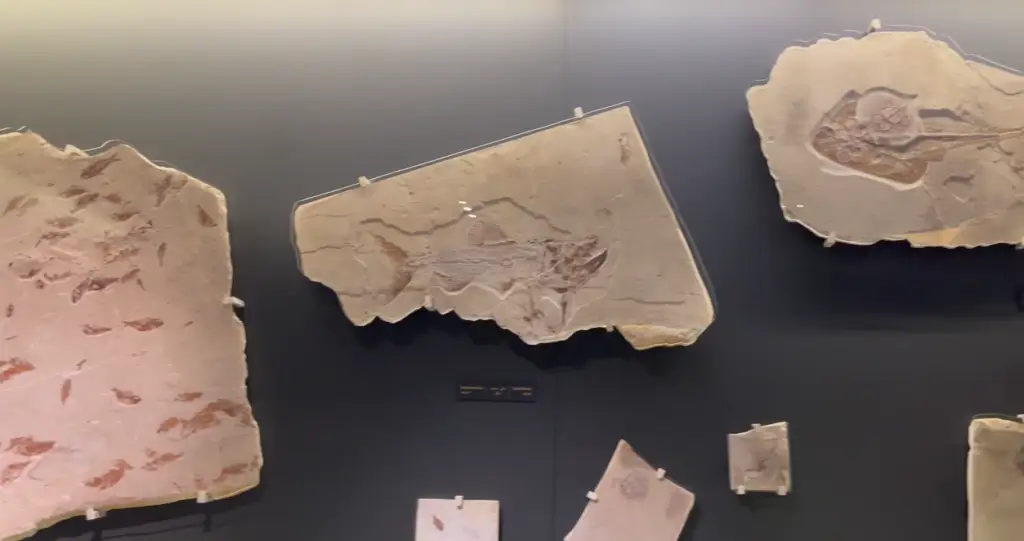
- Highlights: Beautifully articulated fish, rays, sharks, eels, crustaceans, and other marine organisms; clear scientific context and high-quality preservation
- Best for: Paleontology enthusiasts, families, students, science lovers, and visitors interested in Lebanon’s natural heritage
- Character: Modern museum exhibition highlighting one of the country’s most important geological treasures

What Makes the Fish Fossil Exhibition Special
Lebanon’s fossil sites rank among the most significant in the world. During the Late Cretaceous, unique environmental conditions created fine-grained limestone layers that captured marine creatures in astonishing detail. The result is a rich assemblage of fully articulated specimens, many representing species found nowhere else or rarely preserved so completely.
At the MIM Museum, the thematic exhibition displays a carefully selected collection of these fossils (often associated with presentations of around 200 specimens). Visitors can see ancestors of modern fish, rays, sharks, flying fish, shrimp, and other organisms laid out on limestone slabs exactly as they were found. Interpretive material and animations help recreate the ancient marine environment, taking viewers on a journey back roughly 100 million years.
The exhibition benefits from collaborations with specialists and collections linked to Lebanon’s long tradition of fossil research and preparation. It places the specimens in both scientific and visual context, making the beauty and importance of these fossils accessible to a wide audience. Some pieces connect to notable scientific discoveries that have advanced global understanding of Cretaceous marine life.

Exploring the Exhibition
The fossil displays form a focused and engaging section within the broader MIM Museum. The presentation emphasizes the quality of preservation, the diversity of species, and the story of how these fossils formed and were recovered from Lebanese mountains.
Visitors move through carefully arranged specimens that highlight different types of marine life. The combination of original fossils, clear labeling, and supporting visuals creates an educational yet visually striking experience. The setting is modern, well-lit, and comfortable, allowing close appreciation of the delicate details in the limestone slabs.
Allow 45–90 minutes to fully enjoy the fossil exhibition, with additional time if you also wish to explore the museum’s extensive mineral collection.

Practical Information
The MIM Museum hosts both its world-class mineral displays and the marine fossil exhibition. Opening hours are typically daytime slots from Tuesday to Sunday (closed or limited on Mondays; always confirm current times). An admission fee applies and supports the private museum’s work.
The location is central and convenient. Facilities are those of a modern museum, and the site works well for individual visitors, families, and educational groups. Photography rules should be checked on arrival. The exhibition is suitable for most ages thanks to the visual impact of the fossils and the clear explanatory content.
Best Time to Visit and Tips
As an indoor exhibition, it is ideal year-round and independent of weather. Weekday mornings or early afternoons are often quieter and allow a more relaxed visit.
Tips for a rewarding experience:
- Confirm current opening hours and any special exhibition details before your visit.
- Take time to examine the fine details of the fossils — the level of preservation is exceptional.
- Read the interpretive panels or follow any available animations to understand the ancient marine setting.
- Combine the visit with the nearby National Museum of Beirut for a rich half-day of natural and cultural history.
- Consider this exhibition as an excellent introduction if you later plan to explore fossil-related sites or collections outside the capital.

How to Get There
The MIM Museum sits on the Université Saint-Joseph campus on Rue de Damas in Beirut, opposite or adjacent to the National Museum in the Mathaf area. It is easily reached by taxi, ride-hailing apps, or on foot from central neighborhoods. Public transport options vary by starting point within the city. The location is straightforward for visitors arriving from other parts of Beirut or from outside the capital.
Nearby Attractions
The National Museum of Beirut is immediately nearby and provides an outstanding complementary visit focused on archaeology and Lebanese history. The surrounding Mathaf district and central Beirut offer additional cultural sites, galleries, and urban amenities, making it simple to build a full cultural day around the fossil exhibition.
Frequently Asked Questions
Is this a standalone fish fossil museum?
The main dedicated fossil museum is Memory of Time in Byblos. In Beirut, the MIM Museum presents a high-quality, focused exhibition of Lebanese fish and marine fossils within its mineralogy institution.
Where do the fossils come from?
They originate from Lebanon’s famous Upper Cretaceous deposits in the mountains near Byblos, sites known worldwide for exceptional preservation.
Is the exhibition suitable for children?
Yes. The striking visual quality of the fossils and the educational presentation make it engaging for younger visitors as well as adults.
How long does a visit take?
Plan 45–90 minutes for the fossil exhibition itself, longer if combining it with the mineral galleries.

Plan Your Visit to the Fish Fossil Exhibition in Beirut
The fish fossil displays at the MIM Museum offer one of the best and most accessible ways to encounter Lebanon’s extraordinary paleontological heritage in the capital. These 100-million-year-old marine creatures, preserved in fine limestone, provide a vivid connection to the ancient Tethys Ocean and underscore the scientific importance of the country’s fossil sites.
Visit for the beauty of the specimens, the clarity of the presentation, and the chance to see world-class Lebanese fossils without leaving Beirut. Check the MIM Museum’s official channels for the latest information on hours, tickets, and exhibitions, then enjoy this compelling window into deep geological time.


