Skip to content

3-Day Beirut Itinerary: Ultimate Travel Guide to Lebanon’s Vibrant Capital
Discover the best of Beirut in just 3 days with this detailed plan. Explore historic sites, Mediterranean waterfronts, vibrant neighborhoods, and world-class Lebanese cuisine. Ideal for first-time visitors seeking culture, food, and coastal vibes.
Day 1: Downtown Beirut, National Museum & Corniche Waterfront
| Time of Day | Activity / Attraction | Approx. Price (USD per person) | Notes |
|---|---|---|---|
| Morning (8:00–10:00) | Breakfast (manousheh + coffee at a local café like Café Younes or similar in Hamra/Downtown) | Food: $3–6 | Traditional Lebanese flatbread with za’atar or cheese. |
| Morning (10:00–12:30) | National Museum of Beirut | Attraction: $5–10 | Lebanon’s top archaeological museum with Phoenician, Roman, and medieval artifacts. |
| Lunch (12:30–14:00) | Casual Lebanese lunch (mezze or shawarma near museum or Downtown) | Food: $8–15 | Mix of hummus, tabbouleh, and grilled meats. |
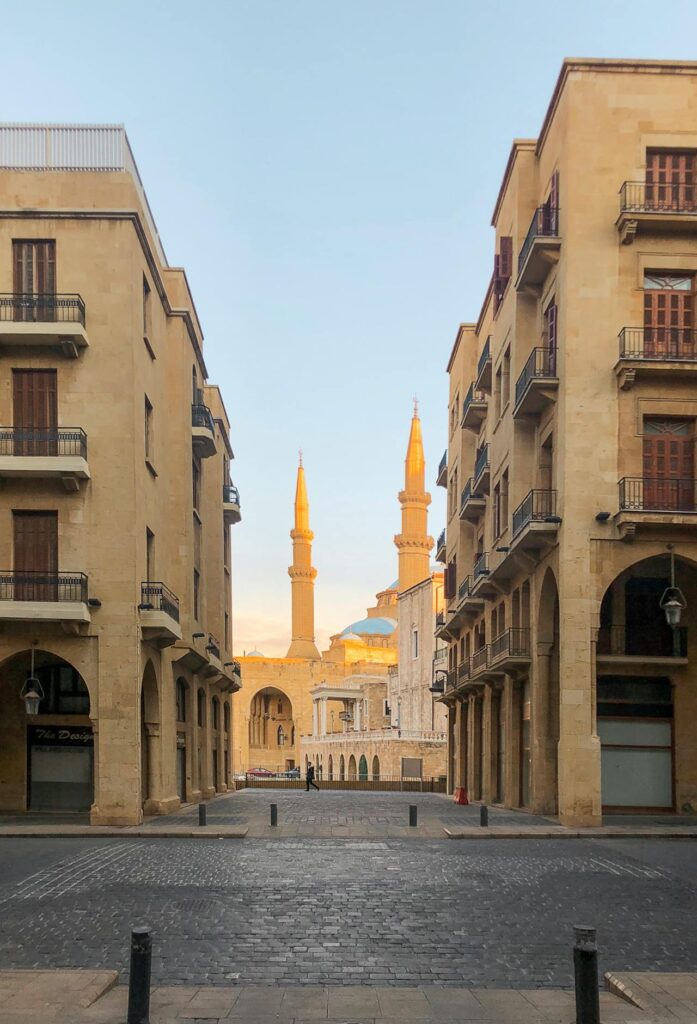
| Afternoon (14:00–17:00) | Beirut Central District (Martyrs’ Square, Mohammad Al-Amin Mosque, St. George Cathedral, Roman Baths, Beirut Souks) | Free (souks shopping optional) | Walk the modern downtown with Ottoman and French Mandate architecture. |
| Evening (17:00–20:00) | Stroll the Corniche to Raouché (Pigeon Rocks) for sunset | Free | Scenic Mediterranean promenade; coffee or snack ~$2–5. |
| Dinner (20:00+) | Dinner in Gemmayzeh or Mar Mikhael | Food: $15–30 | Trendy area for authentic Lebanese or modern dishes. |
Day 2: Museums, Neighborhoods & Nightlife
| Time of Day | Activity / Attraction | Approx. Price (USD per person) | Notes |
|---|---|---|---|
| Morning (8:30–10:00) | Breakfast in Hamra or Achrafieh | Food: $3–7 | Manousheh or pastries with strong Lebanese coffee. |
| Morning (10:00–12:30) | Sursock Museum or MIM (Mineral Museum) / Beit Beirut | Attraction: $5–12 | Contemporary art in a historic villa or Civil War memorial site. |
| Lunch (12:30–14:00) | Local eatery in Achrafieh or Badaro | Food: $10–20 | Mezze spread or grilled specialties. |
| Afternoon (14:00–17:30) | Explore Gemmayzeh, Mar Mikhael, or Zaitunay Bay (marina) | Free / shopping optional | Street art, boutiques, cafés, and waterfront vibes. |
| Evening (17:30–20:00) | Walk or taxi to Corniche / Raouché if not done Day 1, or relax at a café | $2–8 (transport/snack) | Enjoy sea views. |
| Dinner & Nightlife (20:00+) | Dinner + drinks in Mar Mikhael or Gemmayzeh | Food + drinks: $20–40 | Beirut’s famous nightlife scene (bars, live music). |
Day 3: Day Trip to Byblos (Jbeil) or Jeita Grotto & Harissa
| Time of Day | Activity / Attraction | Approx. Price (USD per person) | Notes |
|---|---|---|---|
| Morning (8:00–9:00) | Breakfast + transfer north | Food: $3–6; Transport: $10–25 (shared taxi/minibus or private) | Early start recommended. |
| Morning–Afternoon (9:30–15:00) | Byblos: Crusader Castle, Roman ruins, old souk, harbor (UNESCO site) OR Jeita Grotto + cable car to Harissa (Our Lady of Lebanon) | Attraction: $10–20 (Byblos ruins/entry); Jeita ~$15–25 + cable car | Ancient Phoenician city or spectacular caves & panoramic views. Combo tours often available. |
| Lunch (13:00–14:30) | Seafood or Lebanese lunch in Byblos harbor or nearby | Food: $12–25 | Fresh fish or traditional dishes with sea views. |
| Afternoon–Evening (15:30–19:00) | Return to Beirut + free time / shopping | Transport: included in day trip or $10–20 | Relax or explore more of the city. |
| Dinner (19:30+) | Farewell dinner in Zaitunay Bay or Hamra | Food: $15–35 | Upscale marina or local favorite. |
How Much Does a Trip to Beirut Cost? Key Practical Information
| Topic | Details |
|---|---|
| How much does a trip to Beirut cost? | Budget: $40–70/day (hostel + street food + shared transport). Mid-range: $90–160/day (3-star hotel + mix of restaurants + taxis/tours). Luxury: $200–400+/day. 3-day total (excl. flights): Budget ~$150–250; Mid-range ~$300–500; Luxury $600+. Prices are in USD (widely used/preferred). Carry clean USD cash. |
| Best areas to stay in Beirut | Achrafieh (safe, charming, central) Gemmayzeh / Mar Mikhael (nightlife, food, energetic) Hamra (budget-friendly, vibrant, student vibe) Downtown/Solidere (modern, quieter, luxury) Badaro (relaxed, local feel) Raouché (sea views). |
| Best time to travel to Beirut | Spring (April–May) and Autumn (September–October): Mild temperatures (20–28°C), fewer crowds, pleasant for walking. Summer is hot/humid with more festivals; Winter mild but rainier. |
| Transport in Beirut | No metro. Walk in neighborhoods. Ride-hailing (Bolt/Uber, cash preferred) $5–15 most trips. Shared “service” taxis ~$2–3 per hop. Minibuses cheap for longer distances. Airport taxi ~$20–35 to center. Day trips: shared vans or private drivers/tours ($30–80). Traffic is heavy. |
| Practical tips | Bring clean USD cash (cards unreliable due to economic situation). Power outages common — choose hotels with generators. Check current travel advisories daily. Dress modestly near religious sites. English widely spoken in tourist areas. Avoid photographing military/checkpoints. Stay updated on local news. |
| Food and prices in Beirut | Cheap: Street food (manousheh, falafel, shawarma, kaak) $2–6. Medium: Casual restaurants/mezze $10–25 per person. Expensive: Fine dining/seafood/rooftop $40–100+. Lebanese cuisine (hummus, kibbeh, grilled meats, fresh seafood) is a highlight and generally good value. |
| Beirut in numbers | Population ~2+ million (metro area). Mediterranean climate. Layers of history (Phoenician, Roman, Ottoman, French Mandate). Famous for resilience, nightlife, and cuisine. Major port city with Corniche waterfront. |
FAQ
How many days do you need in Beirut?
3 full days is ideal for the city highlights (downtown, museums, Corniche, neighborhoods) plus one day trip (Byblos, Jeita, or similar). More days allow additional trips to Baalbek, the Chouf Mountains, or southern sites (if conditions permit).
Is Beirut expensive?
No, relative to many Western or Gulf destinations. Street food and transport are very affordable. Mid-range travelers can enjoy excellent meals and comfortable stays for $90–160 per day. Luxury options exist but are not required for a great experience. USD cash keeps costs predictable.
Is it safe?
Tourist areas in central and eastern Beirut (Achrafieh, Gemmayzeh, Mar Mikhael, Hamra, Downtown, Corniche) are generally manageable for visitors who stay aware, avoid protests, and follow local advice. However, major governments (including the US State Department Level 4 “Do Not Travel” and UK FCDO) currently advise against travel to Lebanon due to risks of armed conflict, terrorism, unrest, and kidnapping—especially in southern suburbs (Dahiyeh), South Lebanon, and border areas.
Conditions can change rapidly. Monitor official advisories, embassy alerts, and local news closely before and during any trip. Petty crime has risen with economic challenges; use normal big-city precautions.
Enjoy the incredible food, history, and energy of Beirut responsibly!