 Skip to content


Wadi Jhanam (Valley of Hell) – Hiking Guide to One of Lebanon’s Most Dramatic Valleys
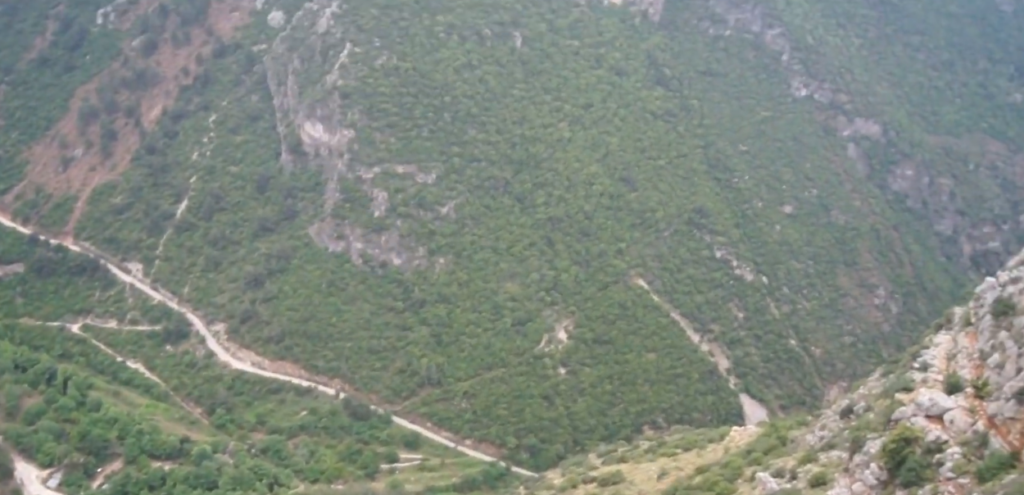
Despite its intimidating name, Wadi Jhanam (also spelled Wadi Jhannam or Ouadi Jhannam), known as the Valley of Hell, is one of northern Lebanon’s most beautiful and rewarding natural landscapes. Located on the border between Akkar and Danniyeh (Donniyeh) districts, this deep, green valley is rich in water, dense forests, steep slopes, and striking scenery.
Far from being hellish, the valley is often described by visitors as a hidden paradise filled with rivers, springs, waterfalls, woodlands, and dramatic canyon-like walls. It offers excellent hiking opportunities for those seeking a more adventurous and less crowded experience in Lebanon’s wild north.
Quick Overview
- Location: Border of Akkar and Danniyeh (Donniyeh) districts, northern Lebanon (near villages such as Hrar, Qemmamine / Qmamine, and Mishmish)
- Character: Deep valley with rivers, forests, steep slopes, and abundant water sources
- Highlights: River walks, waterfalls, forested slopes, panoramic views, and a strong sense of wilderness
- Best for: Hikers seeking moderate to challenging trails, nature lovers, and summer escapes with shade and water
- Distance from Beirut: Approximately 125–130 km

What Makes Wadi Jhanam Special
Wadi Jhanam is one of the deeper and more impressive valleys in Lebanon. It is fed by numerous springs and streams that form rivers (including sections linked to Nahr Abou Moussa or Nahr el-Bared systems). The valley floor and slopes are covered in greenery, with pine, fir, cedar, oak, and other trees, along with orchards in some areas.
The name “Valley of Hell” is said to refer to the steep, challenging terrain and the effort required to climb out, rather than the scenery itself. In reality, the combination of rushing water, shaded trails, waterfalls (such as areas near El Jenniyat or Oyoun el Samak), natural pools, and towering valley walls creates a powerful and beautiful setting. The area is also noted for its biodiversity and ecological value.

Hiking Possibilities
Hiking is the primary way to experience Wadi Jhanam. Trails typically involve descending into the valley, walking along or near the river, and then climbing back out. Many routes are moderate to more demanding due to elevation changes and occasional river crossings.
Popular options include:
- Riverbank and valley-floor trails starting from points near Hrar or other access villages. These often feature water crossings, shaded paths, and stops at springs or small waterfalls (around 8–13 km round trips).
- Longer downhill routes that begin higher up in the Akkar highlands (for example from areas near Jurd Mechmech or El Ouyoun at around 1,650 m) and descend through forests and side valleys toward the main Wadi Jhanam corridor.
- Combinations that link the valley with nearby waterfalls, natural pools, or viewpoints, sometimes ending near restaurants or villages for a meal.
Expect uneven terrain, possible wet feet from river crossings, and sections with steeper inclines or declines. A local guide is highly recommended, especially after rain when water levels rise. Sturdy waterproof or quick-drying footwear, trekking poles, and sufficient water are advised. Some organized hikes offer different difficulty levels so groups can choose according to fitness.
Practical Information
Access is generally free. There are no major formal facilities inside the valley, so carry all water, food, and supplies. Some nearby villages or organized tour endpoints offer simple restaurants or rest spots.
Allow 4–6 hours or more for most standard hikes, depending on the route, stops for swimming, and fitness level. Mobile reception can be limited in the deeper parts of the valley.

Best Time to Visit and Tips
Summer is particularly popular because the valley offers shade from the trees and the cooling effect of the river and springs, making it more comfortable than exposed high plateaus. Spring brings strong water flow and lush greenery. Autumn provides pleasant temperatures and changing colors. Winter and early spring can make river crossings more difficult or risky due to higher water levels.
Tips for a successful visit:
- Go with a guide or experienced group if you are new to the area.
- Check recent weather and water conditions before starting.
- Wear shoes suitable for wet and rocky terrain.
- Bring layers, sun protection, and extra water even if there are springs along the way.
- Respect the environment by staying on paths where possible and carrying out all trash.
- Combine the hike with a local meal in a nearby village for a complete day out.

How to Get There
Wadi Jhanam is reached via Akkar or Danniyeh access points, commonly through villages such as Hrar. From Beirut the drive usually takes 2.5–3.5 hours heading north toward Tripoli and then inland.
Most independent visitors arrive by private car. Organized hiking groups frequently provide bus transport from Beirut or other coastal points and handle the logistics of trailheads. Public transport options are limited, so arranging a local taxi for the final stretch is often necessary.
Nearby Attractions
The valley sits in a region rich in nature. Nearby areas include other forested highlands, the Qammouaa Plain and Iron Oak Forest further into Akkar, additional springs and smaller valleys, and traditional villages where you can experience local hospitality and cuisine.

Frequently Asked Questions
Is Wadi Jhanam suitable for beginners?
Shorter or easier variants exist, but many classic routes involve elevation changes and river crossings. Moderate fitness is recommended.
Do I need a guide?
Strongly recommended for safety, navigation, and knowledge of the best crossings and current conditions.
Why is it called the Valley of Hell?
The name refers to the steep terrain and the demanding climb out of the valley, not the beauty of the landscape itself.
Can I swim there?
In some sections there are natural pools and areas near waterfalls suitable for a refreshing dip when water levels are safe. Always assess conditions carefully.
Plan Your Visit to Wadi Jhanam
Wadi Jhanam (Valley of Hell) delivers one of northern Lebanon’s most memorable outdoor experiences: a deep green valley filled with water, forests, and dramatic scenery that contrasts sharply with its fierce-sounding name. Whether you choose a riverside walk with swimming stops or a longer highland-to-valley trek, this destination rewards hikers with authentic wilderness and lasting impressions.
Prepare thoroughly, travel with respect for nature and local communities, and you will discover why so many describe this “Valley of Hell” as pure heaven on earth. For up-to-date trail information or guided options, contact local hiking groups active in Akkar and Danniyeh before your trip.


