 Skip to content


Noah’s Olive Trees (Sisters Olive Trees of Noah), Bchaaleh – Guide to Lebanon’s Ancient Olive Grove
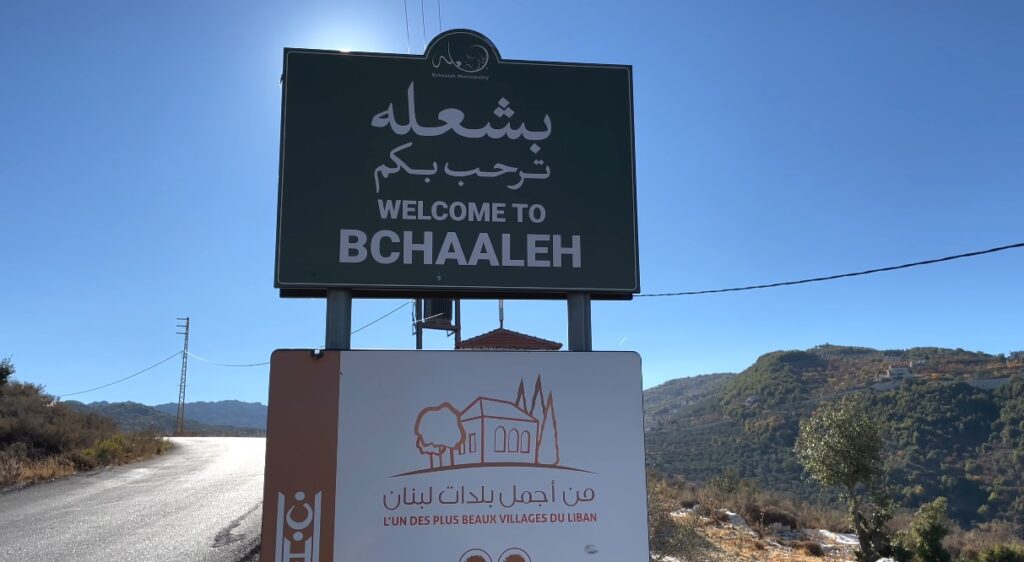
Noah’s Olive Trees, also known as the Sisters Olive Trees of Noah, are a remarkable grove of ancient olive trees located in the mountain village of Bchaaleh (Bcheale / Bshaaleh) in the Batroun District of northern Lebanon. Growing at an altitude of more than 1,200 meters, these gnarled, monumental trees are among the most celebrated living landmarks in the country.
Local tradition holds that the trees are thousands of years old and links them to the biblical story of Noah, claiming that the olive branch brought back by the dove after the Flood came from this grove. While scientific dating has refined the age estimates, the trees remain extraordinary for their size, longevity, continued productivity, and the high-altitude setting in which they thrive.
Quick Overview
- Location: Bchaaleh village, Batroun District, North Governorate, Lebanon
- Elevation: Over 1,200 m above sea level
- Type: Ancient olive grove / natural and cultural heritage site
- Highlights: Monumental olive trees, biblical folklore, high-altitude setting, panoramic village views
- Best for: Nature lovers, cultural travelers, photographers, and anyone interested in living heritage
- Character: Quiet, atmospheric, and deeply rooted in local tradition and landscape

What Makes Noah’s Olive Trees Special
Bchaaleh sits on a high promontory with views toward the sea and neighboring villages. Within and around the village stand a small group of exceptionally large and old olive trees, traditionally numbered around a dozen (sometimes referred to as sixteen). Their massive, twisted trunks—often hollow and sculptural in form—create a powerful visual presence.
For generations, local folklore has called them the Sisters or Noah’s trees and associated them with the olive branch of the biblical Flood narrative. The trees grow at an unusually high elevation for olives in the eastern Mediterranean, yet they continue to produce fruit and high-quality olive oil. This combination of extreme age appearance, productive capacity, and altitude makes the grove unique.
Scientific studies using radiocarbon dating have provided more precise age estimates. A 2024 study identified the oldest sampled tree at approximately 1,163 years (±131 years), establishing it as the oldest reliably dated olive tree known. Other trees in the group are several centuries old. While these figures are lower than the traditional claims of 5,000–6,000 years, they still confirm the exceptional longevity of the grove and its status as a living heritage of major importance.
The site has been recognized for its national significance, and the trees remain carefully protected by the local community.

Visiting the Olive Trees
The trees stand in and near the village and can be viewed as part of a walk through Bchaaleh. There is no formal ticketed entrance or large visitor infrastructure; the experience is that of encountering living monuments within a traditional mountain village setting. Visitors can observe the impressive trunks and branching, appreciate the high-altitude landscape, and learn about the local stories connected to the grove.
The surrounding village itself adds to the visit, with traditional stone houses, churches, and open views. The overall atmosphere is peaceful and contemplative.
Practical Information
Access to the trees is free and informal as they form part of the village landscape. Visitors should treat the site with respect, avoid damaging the trees or their surroundings, and follow any local guidance. Facilities are those of a small mountain village; bring water and suitable clothing for the altitude and weather.
Allow 30–60 minutes to see the main trees and enjoy the setting, or longer if combining the visit with a walk through the village or local trails.


Best Time to Visit and Tips
Spring and autumn offer the most pleasant temperatures and clear views. Summer is cooler than the coast thanks to the elevation. Winter can bring cold weather and occasional snow.
Tips for visitors:
- Wear comfortable shoes for walking on village paths and uneven ground.
- Visit with respect for the trees as living heritage and for the local community.
- Combine the olive trees with exploration of Bchaaleh village, its churches, and viewpoints.
- Pair the visit with other Batroun District sites such as Smar Jbeil Fortress, Rachana, or the coastal town of Batroun for a full day.
- Check local conditions in winter, as mountain roads may be affected by weather.
- Photography is rewarding—the sculptural forms of the trunks are especially striking.

How to Get There
Bchaaleh lies in the mountains of the Batroun District, roughly 60–70 km from Beirut. The drive typically takes 1.5–2 hours or more depending on the route and traffic. From the coastal highway, follow inland mountain roads toward the Batroun highlands and signs for Bchaaleh or neighboring villages such as Douma.
Private car is the most practical option. The final approach involves mountain roads with scenic views. Once in the village, the olive trees are reachable on foot.
Nearby Attractions
Bchaaleh itself offers traditional architecture, churches (including Saint Stephan), and elevated viewpoints. Nearby attractions in the Batroun District include the Crusader fortress of Smar Jbeil, the sculpture heritage of Rachana (including the Basbous Museum), and the historic coastal town of Batroun with its Phoenician Sea Wall, Old Souk, and harbor. The wider area is also known for hiking trails and rural landscapes.

Frequently Asked Questions
How old are Noah’s Olive Trees?
Local tradition claims several thousand years. Scientific radiocarbon dating has shown the oldest reliably dated tree to be around 1,100–1,200 years old, with others several centuries old. This still makes them among the oldest known olive trees.
Do the trees still produce olives?
Yes. They continue to bear fruit and are associated with high-quality olive oil.
Is there an entrance fee?
No. The trees are part of the village landscape and can be viewed freely.
Why are they called Noah’s trees?
According to local folklore, they are linked to the olive branch brought by the dove to Noah after the Flood.

Plan Your Visit to Noah’s Olive Trees
Noah’s Olive Trees in Bchaaleh offer a rare encounter with living history. Whether viewed through the lens of scientific dating or the enduring local tradition that connects them to the story of Noah, these monumental trees stand as powerful symbols of longevity, resilience, and the deep relationship between the Lebanese landscape and its people.
The high-altitude setting, the sculptural beauty of the trunks, and the quiet mountain village atmosphere create a memorable and reflective experience. Come with respect for the site, take time to appreciate both the trees and their surroundings, and consider combining the visit with other historic and natural highlights of the Batroun region. In Bchaaleh, the past is not only remembered—it is still growing.


