Skip to content


Old Souks of Tripoli – Guide to Lebanon’s Historic Mamluk Market Quarter
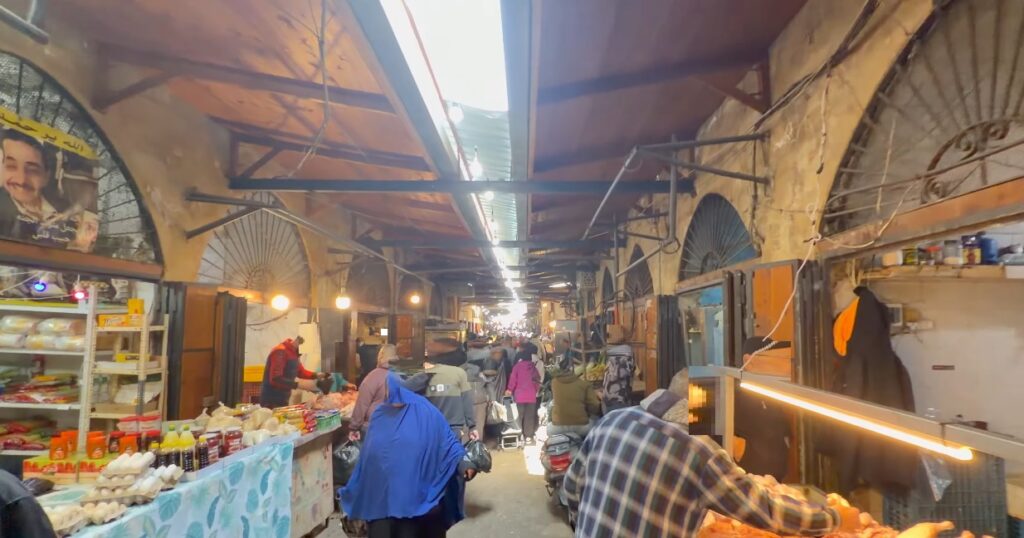
The Old Souks of Tripoli form one of the largest, best-preserved, and most atmospheric historic market districts in Lebanon and the eastern Mediterranean. Located in the heart of Tripoli’s old city (the inland medina, distinct from the coastal El-Mina area), this dense network of narrow lanes, vaulted passages, khans (caravanserais), and specialized trading streets has functioned continuously for centuries.
Largely shaped during the Mamluk period after the city was taken from the Crusaders in 1289, the souks retain a strong medieval character while remaining a living commercial center. Visitors encounter goldsmiths, coppersmiths, soap makers, spice sellers, tailors, and everyday traders operating in buildings that date back hundreds of years.

Quick Overview
- Location: Old City of Tripoli, North Governorate, Lebanon (approximately 80–85 km north of Beirut)
- Type: Historic covered and open-air market quarter / medina
- Period: Primarily Mamluk (13th–16th centuries) with Ottoman layers and earlier traces
- Highlights: Specialized souks, historic khans (especially Khan al-Saboun), mosques, hammams, authentic trading atmosphere
- Best for: History and architecture lovers, cultural travelers, photographers, and those seeking an authentic Middle Eastern market experience
- Character: Dense, lively, historic, and largely unrestored for tourism

What Makes the Old Souks of Tripoli Special
Tripoli’s old city contains the second-largest collection of Mamluk architecture after Cairo. The souks are not a single street but an interconnected web of specialized markets, each traditionally dedicated to a particular craft or trade. Key areas include:
- Souk al-Sayyaghin – the goldsmiths’ and jewelers’ quarter
- Souk al-Nahhasin – the coppersmiths, where the sound of hammering on metal can still be heard
- Khan al-Saboun (Soap Khan) – a beautiful courtyard complex where traditional olive-oil soap is still produced and sold
- Khan al-Khayyatin (Tailors’ Khan) – a distinctive long vaulted passageway historically associated with textiles and tailoring
- Souk al-Haraj – a notable covered market with high vaults
- Spice, perfume, and other specialized lanes
Scattered throughout the lanes are important historic monuments: the Mansouri Great Mosque, several madrasas, hammams (including Hammam al-Jadid), and other Mamluk and Ottoman structures. Unlike many restored tourist souks, Tripoli’s markets remain primarily functional, giving visitors a genuine sense of a working historic city.
Exploring the Souks
The best way to experience the Old Souks is on foot and without a rigid plan. Enter near the Mansouri Great Mosque or from the edges of the old city and allow yourself to wander. The network is compact—crossing from one end to the other can take as little as 15–20 minutes—but the density of shops, workshops, architecture, and daily life easily fills several hours.
Look upward at the stone vaults and arches, pause at the khans, watch artisans at work, and sample local sweets or street food. The atmosphere is lively and sensory, with the sounds of commerce, the scent of spices and soap, and the visual richness of historic architecture mixed with contemporary trade.


Practical Information
Entry to the souks is free; they are public streets and markets. Most shops operate during daytime hours, typically from morning until late afternoon or early evening (some close for midday rest or on Fridays). There is no single ticketed entrance or visitor center controlling access.
The lanes are narrow, often uneven or cobbled, and can be crowded. Comfortable closed shoes are essential. Modest dress is respectful, particularly near religious buildings. Facilities such as cafés and small eateries are available within and around the souks. Cash is the primary payment method in most shops.
Best Time to Visit and Tips
The souks can be visited year-round. Mornings and late afternoons are generally more comfortable and atmospheric. Spring and autumn offer pleasant weather. Fridays and religious holidays may see reduced commercial activity in some areas.
Tips for visitors:
- Start near the Mansouri Great Mosque for easy orientation.
- Visit Khan al-Saboun to see traditional soap-making and purchase local olive-oil soaps.
- Allow time to get slightly lost—it is part of the experience.
- Combine the souks with the nearby Citadel of Raymond de Saint-Gilles for views over the old city.
- Try local sweets (Tripoli is famous for them) and simple street food.
- Keep valuables secure and be aware of your surroundings in crowded lanes.
- A local guide can enrich the visit with historical context if desired.
- Photography is generally fine, but ask permission before photographing people or inside shops.


How to Get There
Tripoli lies about 80–85 km north of Beirut along the coastal highway (typically 1.5–2 hours by car or bus, depending on traffic). Buses and shared taxis (service) depart regularly from Beirut’s Charles Helou station and other points.
Once in Tripoli, the Old Souks are located in the inland old city, near Al-Tall Square and the Mansouri Great Mosque area. They are easily reached on foot from central points or by a short taxi ride. The coastal district of El-Mina is a short distance away and can be combined in the same visit.
Nearby Attractions
Immediately connected to or near the souks are the Mansouri Great Mosque, several historic hammams and madrasas, and the imposing Citadel of Raymond de Saint-Gilles, which offers panoramic views over the old city and beyond. The coastal area of El-Mina, with its harbor and corniche, provides a contrasting seaside atmosphere. Tripoli’s sweets shops and traditional restaurants are also well worth sampling.


Frequently Asked Questions
Are the Old Souks free to enter?
Yes. They are public historic markets with no entrance fee.
How much time should I spend there?
Most visitors spend 2–4 hours exploring the lanes, khans, and nearby monuments. A fuller half-day allows a more relaxed pace.
Is it safe and suitable for tourists?
The souks are a living commercial area. Standard urban awareness applies. Many visitors explore independently; others prefer a local guide for context and ease.
What should I buy?
Traditional olive-oil soaps from Khan al-Saboun, copperware, spices, sweets, and local handicrafts are popular and authentic purchases.
Plan Your Visit to the Old Souks of Tripoli
The Old Souks of Tripoli offer one of the most authentic historic market experiences in Lebanon. Here, centuries-old Mamluk and Ottoman architecture continues to house active trades, creating a rare living link between the medieval city and the present day.
Wander the specialized lanes, step into the khans, listen to the coppersmiths, breathe in the scent of traditional soap, and absorb the atmosphere of a working historic medina. Pair the souks with the Citadel for views and perspective, and leave time to taste Tripoli’s famous sweets. For travelers seeking genuine cultural depth beyond more polished destinations, the Old Souks of Tripoli remain an essential and rewarding stop in northern Lebanon.